A Los Angeles Rideshare Accident Attorney Who Knows How the Insurance Actually Works.
Get help today!
Call us at (818) 922-8522 or fill out the form below.
Rideshare crashes come with a layer of insurance complexity most accident victims don't expect. Akaragian Law helps you navigate it.
Recovering from a rideshare crash can be hard enough. Understanding who is responsible for your injuries shouldn't add to that burden.
If you were hurt in a rideshare crash in Los Angeles, you're probably thinking about questions a typical car accident might not raise. Those include: Whose insurance applies? Does the rideshare company cover you? What happens if the other driver had no coverage?
Rideshare accident claims in California can involve multiple overlapping insurance policies, a coverage structure that changes based on the ride phase, and some laws that attempt to classify drivers as independent contractors. This combination of things can make these cases more complex than some people may realize.
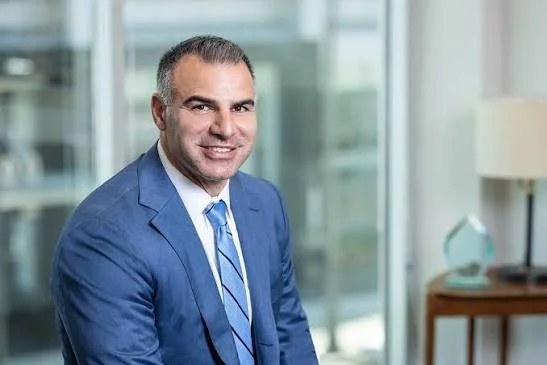
Akaragian Law works with passengers, drivers, pedestrians, and cyclists who have been hurt by a rideshare driver throughout Los Angeles. Akaragian Law sorts through the layers of insurance coverage, investigates possible avenues of collectability, and builds a clear picture of who may be responsible for your harm. You work with attorney Armen Akaragian and his team
What to Expect When You Work With Akaragian Law on a Rideshare Claim
Free Consultation & Case Review
We start with a free consultation to understand what happened and determine which coverage phase the driver was in when the crash occurred. We review the facts and give you honest feedback about your options.
Communication & Updates
You work directly with our team throughout the process. We regularly provide you with updates so you are kept apprised of the status of your case.
Pursuing Compensation
Some rideshare cases are resolved through insurance negotiations. Others require a more formal legal process. Either way, we build a claim supported by the evidence, which includes determining the insurer(s) that may be responsible for your injuries and damages. We work on a contingency fee basis, meaning you pay no attorney's fees or costs unless a recovery is obtained.

Why Los Angeles Rideshare Accident Victims Choose Akaragian Law
Rideshare accident claims require someone who, among other things, understands the insurance structure. Some insurers may be motivated to pay as little as possible.
We handle the complexities so you can focus on your health.
You can learn more about Armen Akaragian and verify his standing through the California State Bar's official attorney profile. He is locally established, actively licensed, and committed to serving clients throughout Los Angeles.
What clients typically value most about working with our firm:
Clear, direct communication throughout your case
Practical guidance
A team that treats you like a person, not a file number
“I had exceptional experience working with Bun Jitpatima at Akaragian Law. From the beginning, he was honest, transparent and clearly explained every step of the plan and potential outcome. His clarity and guidance gave me peace of mind during stressful time, easing both my physical and mental stress. He took the time to understand my goals and worked to achieve the best possible results. I highly recommend Bun Jitpatima for his professionalism, dedication and genuine care for his clients. Thank you for your outstanding service and support.”
What should you do after a rideshare crash in Los Angeles?
ConsiderCalling 911 if Needed. If you or someone else is in need of medical attention, it may be wise to get the proper help.
Try to preserve your ride receipt. Your ride record should document the trip status at the time of the crash, which can be relevant to determining which insurance coverage applies.
If you can, document the scene. Photos/Videos of the vehicles, road conditions, physical evidence, and rideshare signage can matter.
Avoid giving a recorded statement. Transportation Network Companies (TNC)and their insurers usually try to contact injured parties. Early and incomplete statements can be misleading.
Consider contacting a rideshare accident lawyer. In most cases, California's personal injury statute of limitations is two years from the date of the incident. A rideshare accident lawyer can request and try to preserve the necessary evidence before it disappears.
Who can file a rideshare accident claim in Los Angeles?
Passengers riding in a Transportation Network Company (TNC) vehicle at the time of the crash
Drivers or passengers in another vehicle struck by a negligent TNC driver
Pedestrians or cyclists struck by a TNC vehicle
TNC drivers injured by another driver's negligence
How does rideshare insurance work in California, and why does it matter for your claim?
Rideshare crashes can be more complicated than standard car accidents because of, among other things, the available insurance coverage which can depend on the ride phase at the time of the crash.
California law divides rideshare driving into three coverage phases.
A significant change took effect January 1, 2026. Senate Bill 371 (SB 371)reduced the UM/UIM (uninsured/underinsured motorist) coverage TNC drivers must carry during active passenger trips from $1,000,000 to $60,000 per person. If you were a passenger injured by an uninsured third-party driver during an active trip, your own personal UM/UIM policy may become an important backup.
| Phase | Driver Status | Min. Liability | UM/UIM Coverage |
|---|---|---|---|
| Phase 1 (App Off) | Personal use, no app active | Personal policy only | Personal policy only |
| Phase 2 (App On, Waiting) | Logged in, no ride accepted | $50,000 per person / $100,000 per incident | Reduced TNC coverage |
| Phase 3 (Ride Accepted or Active) | En route or passenger onboard | $1,000,000 liability | $60,000 per person (SB 371 as of Jan. 1, 2026) |
Takeaway: Insurance companies representing TNC companies can at times dispute which insurance phase applied at the time of the crash. Requesting and preserving information to determine the phase status can be one of the first things Akaragian Law can help you with in a rideshare claim.
How is a rideshare claim different from a standard car accident claim?
Rideshare claims can involve more parties, more insurance policies, and more procedural complexities than standard two-vehicle crashes. Multiple insurance policies may apply at once: the driver's personal policy, the TNC's commercial policy, and potentially your own policy. Each carrier may argue the others should pay first.
Takeaway: The practical implication is that acting quickly after a rideshare crash can be more important than some people realize. TNC records are not kept indefinitely, and the window to preserve the documentation that determines phase status can close faster than the legal deadline for filing a claim.
Rideshare Accident
FAQs
If you are searching for a rideshare accident attorney in Los Angeles, you may have some questions. View all FAQs or call us directly at (818) 922-8522 for a free consultation.
-
A Transportation Network Company (TNC) is the legal term the California Public Utilities Commission (CPUC) uses for companies that operate app-based ride platforms. California law requires TNCs to carry commercial insurance for their drivers during all on-app periods under California Public Utilities Code § 5433.
-
Not automatically. Coverage depends on which phase the driver was in when the crash occurred. If the driver's app was off, the driver's personal auto policy applies, and that policy may specifically exclude rideshare activity.
-
Senate Bill 371 (SB 371), signed in October 2025 and effective January 1, 2026, reduced the UM/UIM coverage TNCs must carry during active passenger trips from $1,000,000 to $60,000 per person. If you were injured by an uninsured third-party driver during an active trip, your own personal UM/UIM policy can be a source of potential coverage.
-
If the driver was at fault and the app was active during a Phase 3 trip, the TNC's $1,000,000 liability policy typically applies. The exact availability depends on the facts of the claim and which phase is established by the information.
-
The at-fault driver's insurance is typically the primary source of recovery. If that driver is uninsured or underinsured, the TNC's UM/UIM coverage, now limited to $60,000 per person under SB 371 for active trips, may provide additional coverage alongside your own personal UM/UIM policy if you have any..
-
Yes. If a TNC vehicle caused or contributed to the crash and the driver's app was active, the TNC's insurance may apply regardless of whether you were a passenger, another driver, pedestrian, or cyclist.
-
California's personal injury statute of limitations is generally two years from the date of the crash. Contact us for a free consultation to understand the timeline specific to your situation.
-
Generally, compensation for physical injuries in a personal injury settlement is not taxable under federal tax guidelines or California law. Portions attributed to lost wages or punitive damages may be treated differently. Always consult a qualified tax professional about your specific situation.
Related Practice Areas
-
![Balance Glyph Icon - Legal Justice]()
Car Accidents
Akaragian Law handles car accident claims throughout Los Angeles from two-vehicle collisions to multi-party crashes involving complex liability and insurance issues.
-
![Balance Glyph Icon - Legal Justice]()
Truck & Semi-Truck Accidents
Collisions with trucks often lead to serious injuries and more serious legal challenges. Truck accident attorney Armen Akaragian approaches cases with care, persistence, and experience to face insurance defense teams. We investigate, advocate for you, and seek fair compensation under California Law.
-
![Balance Glyph Icon - Legal Justice]()
Motorcycle Accidents
Motorcyclists deserve the same respect as anyone else on the road. When a crash happens, motorcycle accident lawyer Armen Akaragian works directly with riders to push back against insurance disputes and seek accountability. We focus on building strong cases, so you can focus on your recovery.
-
![Balance Glyph Icon - Legal Justice]()
Bicycle & Scooter Accidents
When drivers fail to share the road, cyclists and scooter riders are often left with the consequences. If you’ve been injured, Akaragian Law is here to listen to your story, explain your options, and take on the legal process for you. We’re committed to seeking accountability on your behalf.

Written by Armen Akaragian. Armen is a seasoned injury attorney with over twenty years of experience and a track record of winning high-stakes injury cases. Known for his hands-on approach and care for clients, Armen has secured multi-million dollar verdicts and settlements across California. Armen has represented victims against major corporations and earned recognition as a top-rated auto accident attorney. Whether you need steady guidance or aggressive representation, Armen brings a personal touch and experience to every case.